Bedding sets
Sheets, covers and pillowcases cut from one base cloth for a coordinated range.
Six applications, each with its own weight and construction logic. Choosing the right one at the start avoids the two most common mistakes: fabric that is too light for the product, and fabric that is too heavy to sew profitably.
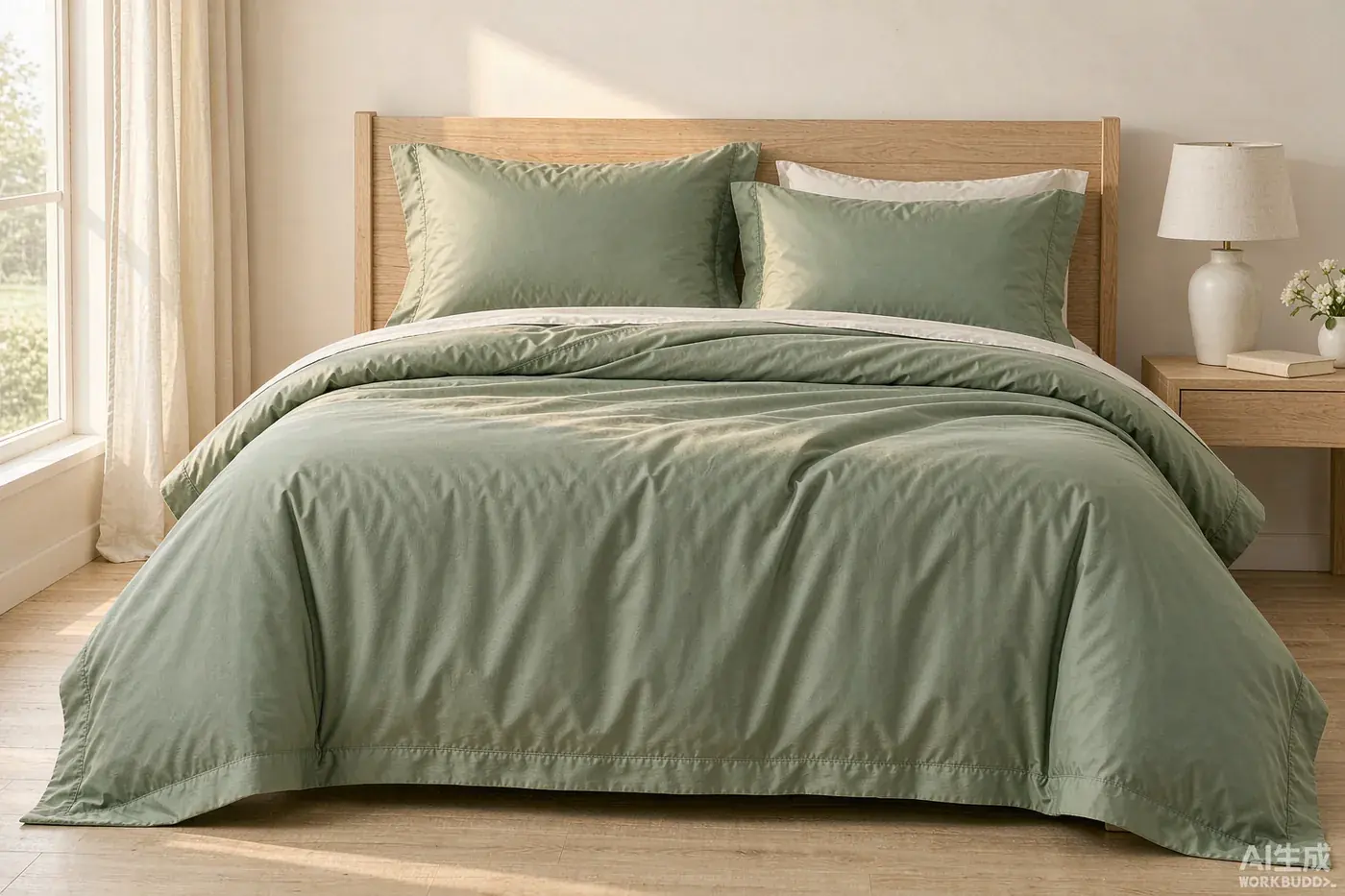
Sheets, covers and pillowcases cut from one base cloth for a coordinated range.
Seam-free cutting on wide-width fabric — fewer sewing steps, better drape.
Skin contact drives the choice: soft napped surface, good wash fastness.
Light base cloth for quilting and ultrasonic bonding without bulk.
More body and abrasion resistance; holds a crisp shape on a sofa.
Full-height panels without a horizontal join; denser construction for better drape.
| Application | Weight | Construction / width |
|---|---|---|
| Comforter / quilt shell | 65–85 gsm | Plain weave, 220–280 cm |
| Sheet set | 75–95 gsm | Plain weave, 240–280 cm |
| Duvet cover | 80–100 gsm | Plain weave, 240–280 cm for seam-free cutting |
| Pillowcase | 80–100 gsm | Plain or brushed peach skin |
| Cushion cover | 110–150 gsm | Twill, 150–280 cm |
| Bedspread / coverlet | 110–150 gsm | Twill or plain, wide width |
| Retail curtain | 100–130 gsm | Plain weave, 150–280 cm |
| Hotel curtain | 140–180 gsm | Dense plain weave, 280 cm for joint-free panels |